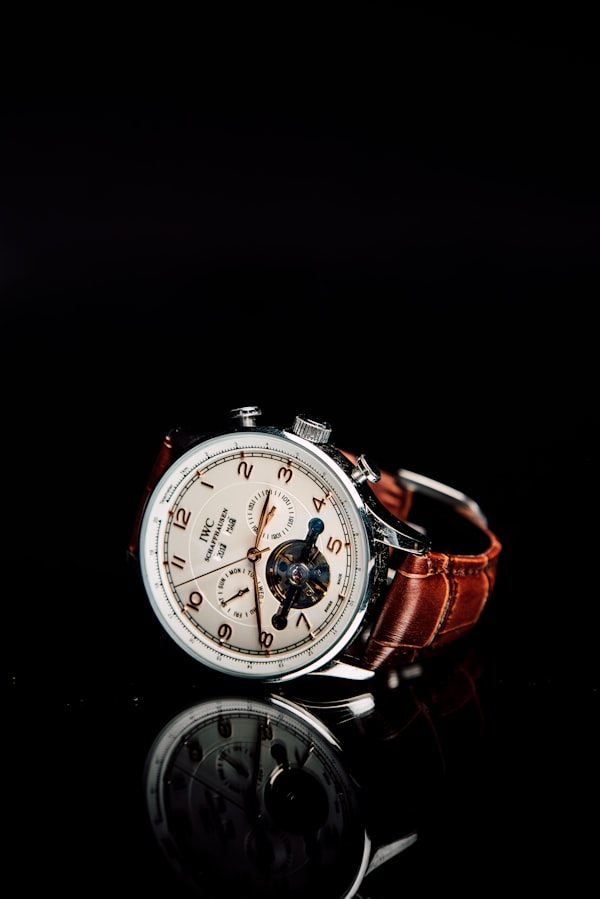
Before automatic rotors and battery circuits, all portable timepieces were wound by hand. Manual winding is more than a way to power a watch; it is a daily connection between the owner and the mechanical gears. Turning the crown coiling the mainspring gives you a tactile sense of the watch's energy. However, winding a mechanical watch requires care. Turning the crown incorrectly or applying too much force can break the spring. This guide reviews the best practices for winding, mainspring tension, and clutch locks to help you master the ritual of manual winding.
1. The Science of the Mainspring
Inside the mainspring barrel is a long, tightly coiled strip of steel or alloy. When you turn the watch crown, a series of winding gears coils this spring tighter, storing potential energy. As the spring slowly uncoils, it releases this energy to drive the gear train. The balance wheel regulates this release, ensuring the hands turn at a steady rate. A typical manual-winding watch has a power reserve of 36 to 48 hours when fully wound.
"Winding a manual watch is a personal connection with mechanical gears. It is a moment of calm where you power the instrument for the day ahead."
2. The Winding Workflow
Wind your manual watch safely by following these steps:
- Winding Angle: Hold the watch in your left hand and use your right thumb and index finger to rotate the crown clockwise. Avoid winding the watch while wearing it, as this can put uneven pressure on the winding stem.
- Consistent Rotation: Rotate the crown forward (clockwise) in smooth, controlled half-turns. You will feel a light clicking sound and resistance as the spring winds.
- The Stopping Point: As you near full wind, the resistance will increase. Stop turning the crown immediately when you feel a firm stop. Forcing it past this point can break the mainspring.
3. Understanding Automatic Winding Clutches
Automatic watches can also be wound by hand using the crown. However, their mainsprings use a different design:
- Slipping Clutch: Automatic watches feature a slipping bridle attachment that allows the mainspring to slide inside the barrel when fully wound, preventing damage.
- No Hard Stop: Because of this clutch, automatic watches do not have a firm stopping point when winding. You can wind them until the rotor takes over during wear.
4. Winding Consistency
Establish a regular routine by winding your manual watch at the same time every day, preferably in the morning. This ensures the mainspring maintains a consistent power output, improving timekeeping accuracy throughout the day.
At Classic Wrist Boutique, we cherish the ritual of manual winding. By winding your watch smoothly, respecting the stopping point, and establishing a daily routine, you can keep your mechanical watches running reliably for generations. Enjoy the ritual, turn the gears, and refine your wrist.